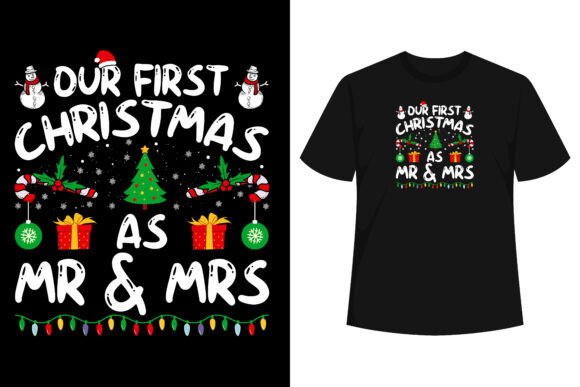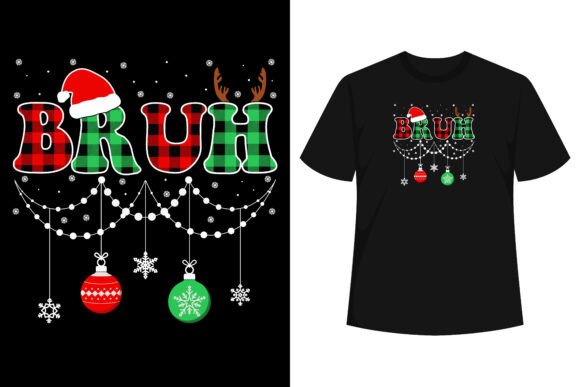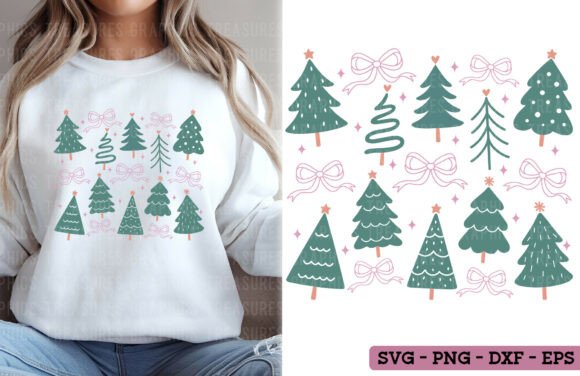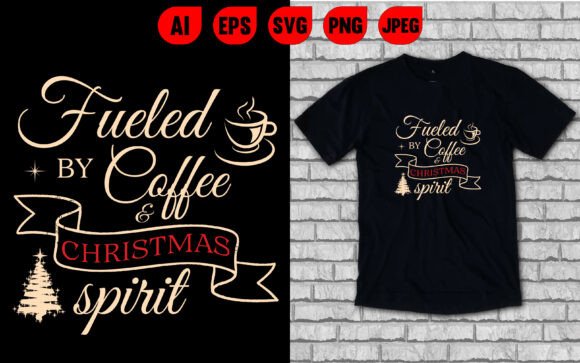
Christmas Pajama Shirt Design
A Designer’s First Look: Cozy, Clear, and Commercially Smart
When I opened Christmas Pajama Shirt Design for the first time, I didn’t see just another holiday graphic—I saw a quiet moment of intention. It’s warm without being cloying, playful without sacrificing polish, and simple enough to translate cleanly across fabrics yet detailed enough to feel handmade. The composition leans into soft curves—think rolled cuffs, folded collars, and a gently slanted “Merry” script—not sharp angles or fussy ornamentation. That tells me right away: this isn’t meant for high-density embroidery on stiff twill, but for relaxed, gift-ready items where texture and tactility matter.
Real Project Test: Embroidering a Holiday Tote for My Local Boutique
Last week, I prepped a limited run of canvas tote bags for a neighborhood gift shop’s Christmas pop-up. I chose Christmas Pajama Shirt Design as the centerpiece—not because it was flashy, but because it felt *human*. Stitched in soft ecru thread on charcoal natural canvas, it read clearly at arm’s length but held up beautifully under close inspection. No pixelation, no jagged edges, no awkward gaps between elements. The design’s balanced negative space gave the embroidery room to breathe, which kept stitch density manageable and prevented puckering—even on that slightly uneven weave. Customers didn’t just glance; they paused, smiled, and asked, “Is that for real pajamas?” That’s the sign of a design that lands.
Where This Design Shines (and Where It Asks for Thought)
Christmas Pajama Shirt Design works especially well for:
- Custom apparel like sweatshirts, lounge tees, and baby onesies—its gentle scale and rounded forms flatter relaxed fits;
- Embroidered patches and iron-ons, thanks to clean outer edges and minimal fine-line detail;
- Holiday gifts such as pillow covers, kitchen towels, and nursery decor—where warmth and familiarity build emotional connection;
- Small shop products and Etsy listings, since it reads instantly in thumbnail previews and printable mockups;
- Commercial embroidery for boutique branding—consistent, recognizable, and seasonally flexible without feeling dated.
That said, it’s not a one-size-fits-all embroidery file. Use caution with:
- Curved surfaces like caps or beanies—the collar and cuff details may distort if hooped too tightly;
- Thin or stretchy fabric, unless paired with cutaway stabilizer and reduced stitch density;
- Dark fabric without testing thread contrast first—some lighter satin-stitch areas could fade visually;
- Tiny hoop sizes under 4 inches—while scalable, the subtle folds and script rely on minimum legibility thresholds;
- Frequent-wash items like baby clothes—confirm fill stitch coverage is dense enough for durability, not just appearance.
What It Does for Your Craft Business—Beyond the Stitch
This isn’t just about how Christmas Pajama Shirt Design looks when stitched—it’s about how it makes your finished product feel. On a handmade apron? It signals care and personality—not mass production. On a personalized gift tag? It adds narrative weight (“PJs are serious business”). For an Etsy seller bundling digital embroidery files, it’s a strong anchor piece: versatile enough to pair with coordinating snowflakes or mug designs, yet distinct enough to stand alone.
I’ve noticed customers respond more warmly to designs that suggest story over spectacle. Christmas Pajama Shirt Design does that quietly—no glitter, no reindeer, no bells. Just comfort, nostalgia, and a wink of whimsy. That builds trust. It says, “I made this *for* you—not just *with* you.” And in a crowded holiday market, that nuance separates a forgettable listing from a repeat buyer.
Practical Notes Every Embroidery Designer Should Run Through
Before committing to a full run—or uploading to your shop—here’s what I do every time with a new machine embroidery design:
- Test on scrap fabric first—especially if using textured or dark material;
- Check thread color contrast in both daylight and indoor lighting;
- Review stitch density in the collar fold and script areas—avoid unintentional heaviness;
- Confirm hoop size compatibility with your most-used frames;
- Inspect small details like button accents or cuff stitching at 200% zoom;
- Test black-and-white mockups to verify readability without color crutches;
- Compare light and dark fabric backgrounds side-by-side;
- Use proper stabilizer—tear-away for stable cottons, cutaway for knits or blends;
- Verify licensing terms before selling finished embroidered items or reselling the digital embroidery file;
- Ask yourself: “Does this support my brand voice—or just fill space?”
Final Thought: A Design That Serves the Maker, Not Just the Machine
Christmas Pajama Shirt Design doesn’t shout. It invites. It’s the kind of T-Shirt Design that earns its place on a handmade product—not because it’s trendy, but because it feels earned. Whether you’re stitching a single custom sweatshirt for a client or scaling up for holiday wholesale, it holds up without demanding perfection from your setup. It respects your time, your materials, and your customers’ expectations. That’s rare. And honestly? That’s why I keep it in my go-to folder for holiday season prep.