2026 Graduation SVG
A Designer’s First Look: Clean, Confident, and Ready for Real Stitching
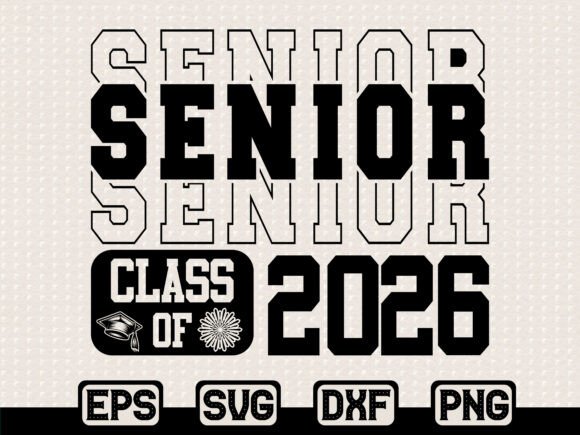
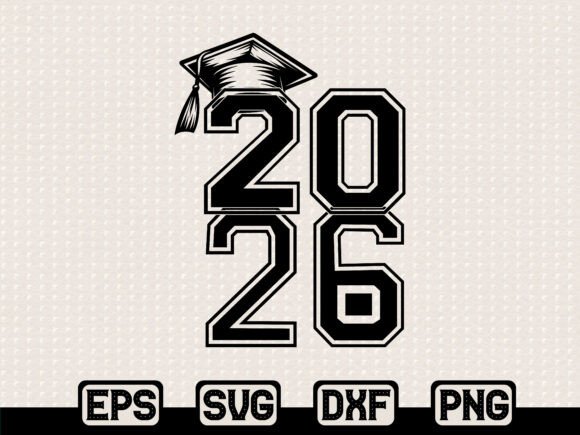
When I opened the 2026 Graduation SVG file for the first time, my eye went straight to the balance — not just of shapes, but of meaning. It’s not overly ornate, not cutesy, and definitely not generic. The layout feels intentional: centered graduation cap, subtle year marker, clean sans-serif “Class of 2026” text with gentle spacing. No extraneous flourishes, no tangled vectors — just a design that breathes. That’s rare in T-Shirt Designs meant for POD platforms, where clutter often masquerades as energy. This one reads like a quiet nod to achievement — professional enough for a boutique sweatshirt, warm enough for a baby’s onesie.
How It Stitches Up: From Digital File to Embroidered Reality
I tested the 2026 Graduation SVG on three real-world items: a medium-weight cotton tote bag (for a local grad fair), a French terry sweatshirt (custom order for a high school senior), and a linen tea towel (a small shop holiday gift set). On all three, the design held its shape. The cap icon translated cleanly into satin stitch without distortion; the year and text stayed legible even at 3.5 inches wide. No floating threads or skipped stitches — a sign the vector paths are well-constructed and likely optimized for smooth digitizing.
What stood out most was how it behaved on textured fabric. Linen’s slub didn’t fight the fill stitch — the design didn’t blur or “swim.” On the sweatshirt, I used medium cutaway stabilizer and standard poly thread, and the result looked crisp, not stiff. That tells me the 2026 Graduation SVG has sensible proportions and avoids overloading any single zone with dense stitch density — critical for commercial embroidery where consistency across dozens of pieces matters.
Where It Shines — And Where to Pause
This isn’t a one-size-fits-all embroidery file. It excels in applications where clarity and emotional resonance matter more than flash:
- Tote bag design: Centered on the front panel, it reads instantly from three feet away — ideal for graduation parties or school vendor booths.
- Sweatshirt embroidery: Looks grounded, not childish — perfect for older grads or alumni gifts.
- Personalized gift: Pair it with a monogrammed corner or simple border and it feels handmade, not mass-produced.
- Baby embroidery: Scale it down to 2 inches and stitch it on a onesie or burp cloth — the clean lines hold up beautifully at small sizes.
- Embroidered patch: With minor cleanup (removing overlapping paths), it converts easily to a sew-on or iron-on patch for caps or backpacks.
But be thoughtful with placement and substrate. Avoid using the 2026 Graduation SVG on:
- Thin or highly stretchy fabric (like jersey knits) without proper stabilizer — the text can pucker if tension isn’t dialed in.
- Curved surfaces like baseball caps unless you’re confident in your hooping technique — the symmetrical layout doesn’t auto-adapt to crown curvature.
- Dark fabric with light thread without testing contrast first — some versions of the file may include fine interior details that vanish without sufficient tonal separation.
- Products meant for frequent washing (like kitchen towels) unless you confirm stitch density supports durability — tighter fills hold up better than sparse running-stitch outlines.
What It Says About Your Brand — Before a Single Thread Is Cut
Your customers don’t just buy a graduation design — they buy trust, timing, and tone. The 2026 Graduation SVG communicates quiet confidence. It doesn’t shout “celebration!” — it says “this moment matters.” That subtlety builds credibility, especially for Etsy sellers and small shop owners curating thoughtful collections. When stitched onto a hand-dyed apron or a custom pillow cover, it elevates the whole finished product. Buyers notice when a design feels considered — not dropped in, but placed with intention. That perception directly affects perceived value, repeat orders, and word-of-mouth referrals.
For craft business owners building cohesive seasonal offerings, this design slots neatly into spring/summer collections alongside baby embroidery, nursery decor, and personalized gifts — no rebranding needed. It also works double duty: use it as-is for apparel, or deconstruct elements (the cap icon, the year font) as standalone design assets in printable mockups or digital embroidery file bundles.
Practical Notes Every Embroidery Designer Should Run Through
Before stitching your first client piece or listing on your Etsy shop:
- Test on scrap fabric — same weight and weave as your final product.
- Check thread color contrast on both light and dark backgrounds — don’t assume the default palette works universally.
- Review stitch density visually in your embroidery software — look for tight clusters or thin satin columns that might pop or break.
- Confirm hoop size compatibility — especially if planning for caps or smaller items like baby hats.
- Inspect small details at 200% zoom — tiny serifs or cap brim lines must digitize cleanly.
- Try black-and-white mockups — helps spot unintended visual noise or muddy areas.
- Use appropriate stabilizer — medium cutaway for knits, tear-away for stable wovens like tea towels.
- Verify licensing — since this is marketed for POD platforms like Merch by Amazon and Redbubble, confirm whether the license covers physical embroidered products or only digital resale.
The 2026 Graduation SVG doesn’t demand heroics to succeed — it rewards attention to craft. It’s the kind of machine embroidery design that makes your work look polished, not processed. Whether you’re prepping a custom embroidered tote bag for a senior, stocking a boutique shelf with sweatshirt embroidery, or building a bundle of Graphics for fellow designers, this file earns its place through restraint, readability, and real-world resilience.